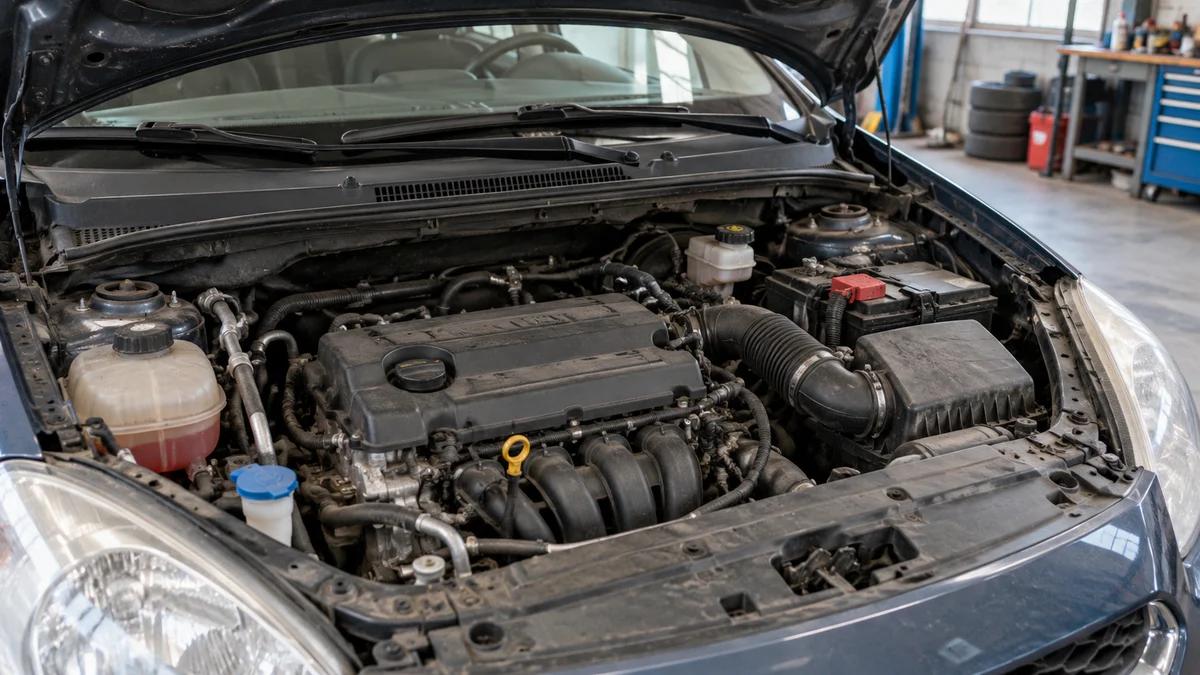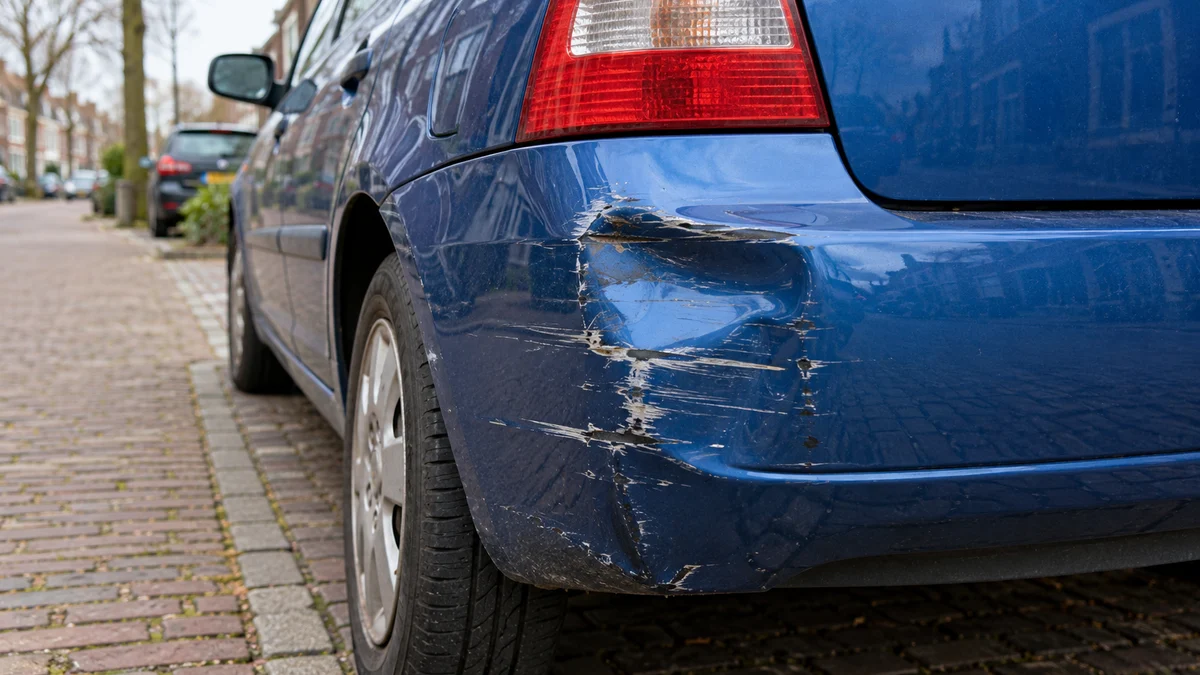
You have a car with damage and you want to sell it. The first question is whether to repair it before you do. The second is what you need to tell a buyer, and that matters more than the repair, because what you say can be held against you after the sale. This post covers both. If you want an offer for the car as it stands, our page on cars with damage explains how we look at them. For the value side, see our guide on what your car is worth.
Damage you can see and damage you cannot
The ANWB, the Dutch motoring association, makes a distinction in its advice on cars with a damage history. Visible damage, such as a dent or a scratch, is the buyer’s responsibility to spot, because a buyer has a duty to investigate what he buys. A seller, on the other hand, has to share what he knows about the car’s history. That includes accident damage that has been repaired, if the buyer would want to know.
So the question is what you know. A bumper that is plainly cracked is visible. A frame repair after a collision is not, and you know about it. The second has to be told.
What happens if you say nothing
If a buyer asked whether the car had damage and you answered that it did not, the buyer can rely on your answer. Should that turn out to be wrong, the ANWB explains that the buyer may be able to argue error (dwaling), meaning that he would not have bought the car, or not at that price, with the correct information. A contract can then be annulled. How serious the damage was and how well it was repaired both play a role, so a minor, tidy repair is treated differently from major damage that was fixed badly.
The practical rule is simple. Tell the buyer what you know, write it down, and never say a car is free of damage unless you are sure.
Repair first or sell as it is
Deciding between the two comes down to a comparison. Get a quote for the repair. Then get an offer for the car as it stands, and if you can, an estimate of what the car would fetch once repaired. If the difference between the two offers is smaller than the repair quote, the repair does not pay.
These points lean towards repairing:
- The damage is cosmetic and the repair is small and cheap.
- The damage stops the car from passing the APK (the Dutch roadworthiness test) or from being driven safely.
- A buyer would otherwise walk away, because the fault is obvious on the first look.
These lean towards selling as it is:
- The repair costs a large share of what the car is worth.
- The damage is structural, or the car has electrical or airbag faults.
- You cannot drive the car, and the garage cannot repair it soon.
A buyer service has to cover repairs itself, so it prices them in. That is why a quote from a garage and an offer from a buyer are both useful.
Driving a damaged car
Do not drive a car that is unsafe. The RDW, the Dutch vehicle authority, notes on its APK page that the police can fine you for a vehicle that does not meet the technical requirements, and that an insurer may refuse to pay a claim. If the car cannot be driven safely, arrange collection. Collection is explained in selling a car that does not run.
WA insurance also stays compulsory until the car is out of your name. The government’s business.gov.nl page on vehicle insurance states that the RDW regularly checks this. Cancel your insurance only after the car has been transferred.
Put it in writing
Whatever you decide, record the condition in the sales agreement or in a message that the buyer confirms. Include:
- a plain description of each damage you know about
- whether it was repaired, and by whom, with invoices if you have them
- photos taken on the day of the handover
- a line stating that the buyer has seen the car and the damage
Photos help for the same reason. Our post on photos that help you sell lists the views to take, including close pictures of every fault.
Insurance claims and open repairs
If an insurer is handling a claim for the damage, tell the buyer. A claim in progress changes who is paid and what happens to the car. Ask your insurer what it needs before you sell.
Frequently asked questions
Do I have to tell a buyer about repaired damage?
You have to tell what you know about the history of the car. The ANWB says a seller should share this. Repaired damage that you know about belongs in that, especially if a buyer asks.
Can I sell a car with damage without repairing it?
Yes. A buyer service can make an offer for a damaged car. The offer reflects the damage.
What if a buyer says I hid damage?
The buyer can argue error if you said the car was damage free and it was not. Keep your records, the photos and the written agreement, because they show what you said.
Does damage affect the APK?
Damage that makes the car unsafe or fails a requirement can lead to a failed inspection. The RDW also notes that a car that fails before its expiry date stays compliant until that date.
Should I claim on insurance before selling?
Ask your insurer. The answer depends on your policy and on how the claim is handled, so we cannot say more than that.
If a repair does not pay, the sell form shows what a buyer would offer for the car as it is. Asking carries no obligation.