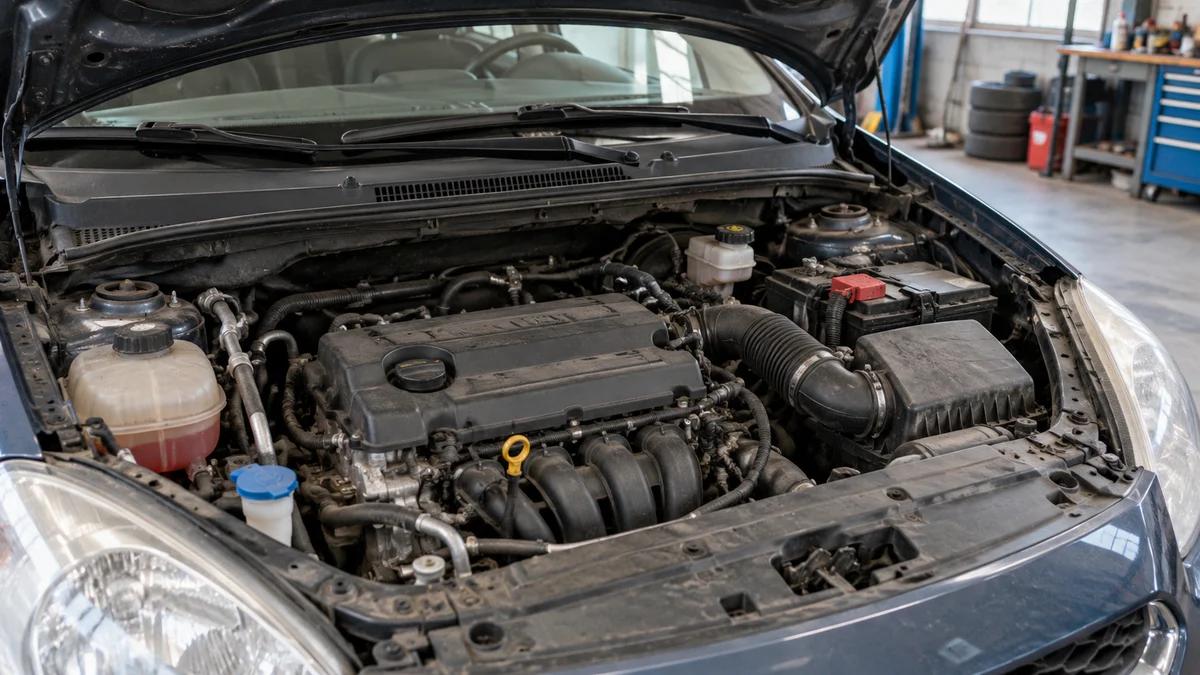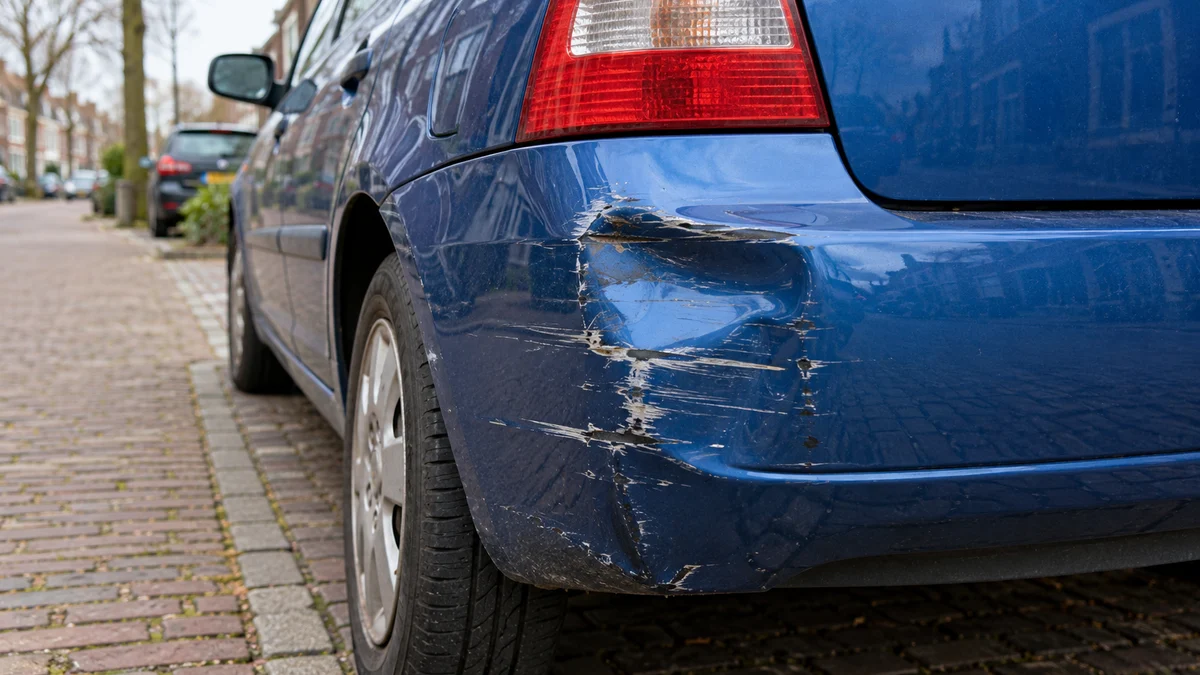
A car that will not start, or that is not safe to drive, can still be sold. The difficulty is what happens while it stands: the rules on the APK, insurance and road tax do not pause by themselves. This post explains what applies to a car that is not running, what a suspension can do and how the handover works when the car cannot drive away. The details of suspending are in our guide to suspending your car.
The rules that keep running while the car stands
A car registered in your name carries obligations, whether it is driven or not. The RDW, the Dutch vehicle authority, lists the most important:
- APK. The RDW states that postponing the APK (the Dutch roadworthiness test) is not possible, even if the car is not in use or has broken down. If the car is not driven, the APK can lapse for up to two months. After two months without inspection, the CJIB can fine you. The RDW explains this on its APK page.
- Insurance. WA cover stays compulsory for as long as the car is registered to you. The government’s business.gov.nl page says the RDW regularly checks this, and that you can request a suspension if you will not use a car for a longer period.
- Road tax. Road tax (motorrijtuigenbelasting) continues to run for a registered car. It stops with the transfer, as described in our post on the road tax refund after selling.
Do not drive the car on the public road to get it to a buyer unless it is legal and safe to do so.
Is suspending worth it
A suspension (schorsing) removes the road tax, insurance and APK obligations while it lasts. The RDW sets out the conditions on its suspension page:
- it runs for 1, 2 or 3 years and starts immediately
- a fee applies; the current amount is on rdw.nl
- there is no refund if you end it early
- during the suspension the car has to stand on private property, not on the street
- the suspension ends automatically when the car is transferred to a new owner
This matters for the sale in two ways. First, a suspended car cannot stand in the street waiting for a buyer. Second, the suspension ends when the buyer registers the car, so it does not stand in the way of a sale. The RDW states this on its page about selling a car.
If you expect to sell within a short time, a suspension may cost more than it saves, since you pay a fee. If the car will stand for months before you find a buyer, compare the fee with the road tax and insurance you would otherwise pay.
Driving to an inspection
The RDW allows you to drive a suspended or expired car to a garage or inspection station for the inspection, under conditions. The car needs third-party insurance that day, you may only drive around the appointment time from where the car is kept to the inspection, and you carry confirmation of the appointment. The permission covers the trip to the inspection and nothing else, so it does not extend to delivering the car to a buyer.
Documents for a car that does not run
The paperwork is the same as for any car. Have the registration card and the full registration code ready, or the paper documents for an older car. If any of them is missing, request a replacement first. The RDW page on selling explains how to request them.
Take photos of the car as it stands, including the odometer if the dashboard lights up, the faults and the surroundings. Our post on photos that help you sell lists the views.
How collection works
If the car cannot be driven, it has to be moved on a trailer or a recovery vehicle. Agree who arranges this, and agree it before the date is fixed. With a private buyer, it is for the two of you to decide who pays for transport. If you ask us for an offer, tell us in the form that the car does not run, and the collection is sorted out with you. How payment and transfer work is agreed once you accept.
Check the following before the car leaves:
- you have the buyer’s details and a signed agreement
- you have photographed the car at the moment of handover
- the buyer or the business has the registration documents, as the RDW describes
- you know when the proof of transfer (vrijwaringsbewijs) will reach you
The RDW advises that you hand over the car only once you have the proof of transfer, which is hard when a car is taken away on a trailer. Agree the order of the steps in advance, and confirm in Mijn RDW or the Kentekencheck that the car has left your name.
Frequently asked questions
Can I sell a car that will not start?
Yes. State clearly that it does not run and what you know about the cause. The offer will reflect the condition.
Do I have to keep paying insurance on a car that does not run?
WA insurance stays compulsory while the car is in your name. If you will not use the car for a long period, you can request a suspension. Cancel insurance only after the transfer.
Can I leave the car parked on the street while I look for a buyer?
If the registration is suspended, no. It also has to stay off the public road. If it is not suspended, the APK and insurance obligations still apply.
Does a suspension end when I sell?
Yes. The RDW states that the suspension ends automatically on transfer.
Who pays for transport?
With a private sale, you agree this with the buyer. Through our sell form, the collection is agreed with you.
A car that will not start is still welcome on the sell form. Asking costs nothing.