A buyer who cannot see your car relies on your photos to decide whether to ask more. The same holds for a buyer service that prepares an offer from the details you send. Good photos answer the obvious questions in advance, and clear photos of faults build trust, because the buyer sees that nothing is hidden. This post lists the pictures to take and how to take them. If you want to check your documents first, see our guide to the documents you need.
Choose light and a place before you start
Take the pictures in daylight, on an overcast day if you can. Direct sun creates reflections and dark shadows that hide dents. Park the car on a flat, tidy spot with a plain background, such as an empty car park or a quiet street, and wash it first. Our post on how to prepare your car for sale explains the cleaning.
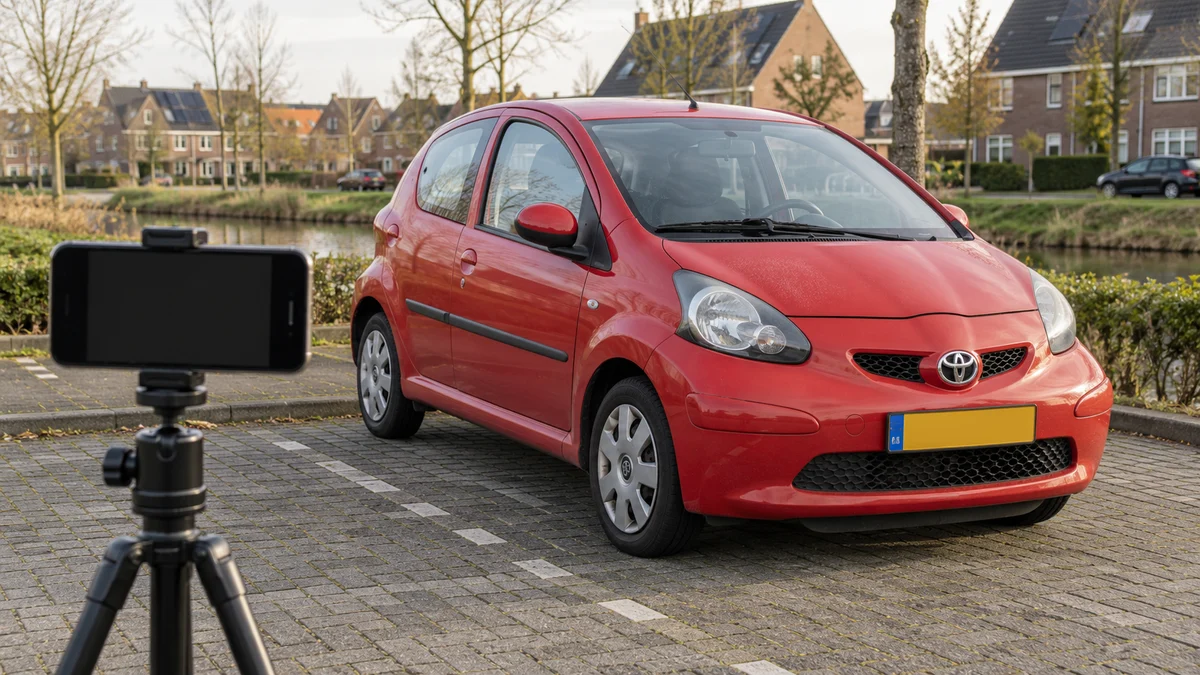
Hold the phone at about the height of the bonnet, keep it level and use the normal lens. Wide-angle lenses on phones stretch the car and make it look different from reality, which causes disappointment at a viewing.
The exterior set
Take the whole car from a distance, then closer. A buyer expects at least these views:
- the front corner, from the left and from the right
- the rear corner, from the left and from the right
- both sides, straight on
- the front and the rear, straight on
- the wheels and tyres, with one close view of the tread on each axle
- the roof, if you can stand on something safe
The four corner views are the most useful, since they show the car as a buyer first sees it.
The interior set
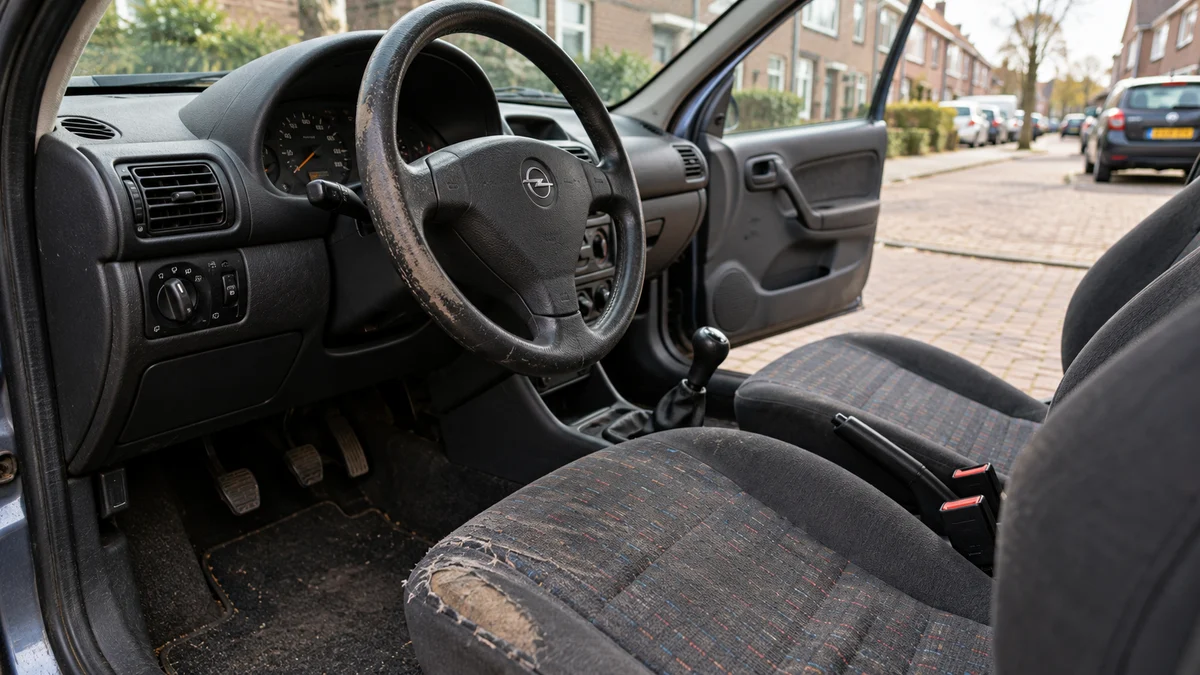
Open the doors and take the inside in daylight.
- the dashboard and steering wheel from the driver’s seat
- the odometer, with the ignition on so warning lights are visible
- the front seats, then the rear seats
- the boot, with the load cover removed
- the centre console and the infotainment screen
- the door panels, if they show wear
The photo of the odometer matters most. It shows the reading, and it shows whether any warning lights stay on after the start. Tell the buyer honestly about a light that is on.
Photos of the faults
Take a close picture of every dent, scratch, stone chip or worn patch, with a coin or key beside it for scale if that helps. Photos of faults are not damaging to a sale. They stop a buyer from finding something at the viewing and then doubting everything else. The ANWB, the Dutch motoring association, notes that visible damage is the buyer’s responsibility to spot, while what you know about hidden history has to be shared. Showing the visible damage in the pictures settles that part early. If you state in writing that the car is free of damage, a buyer can rely on that, so only say it when it is true. The detail is in the ANWB advice on cars with a damage history.
The documents
Photograph the registration card and the latest APK report, and the page of the service booklet with the last stamp. A buyer who asks to see the papers before a viewing is making a reasonable request. Keep one rule: never send a picture of the full registration code to someone you do not know. The RDW explains in its page about the registration certificate that the code is needed to sell, trade in, suspend, scrap or export a car. In the wrong hands it can be misused. Share the code only when the sale is real.
What not to show
Check each picture before you send or publish it.
- Blur the number plate in adverts that anyone can see, if you do not want the car traced to you. Send the plate privately to a serious buyer.
- Do not show your house number, other cars or people.
- Do not leave papers or personal items visible inside the car.
- Do not edit the pictures to hide a scratch. A buyer who spots an edited picture will doubt the rest of the advert.
The Fraudehelpdesk, the Dutch fraud helpline, offers general advice on safe online selling at fraudehelpdesk.nl. Our post on scams on Marktplaats covers the patterns sellers see.
How many photos is enough
There is no official number. Fifteen to twenty clear pictures cover the views above. More helps only if each one shows something new. If you ask us for an offer, the photo step on the sell form tells you which views to add.
Frequently asked questions
Which photo matters most to a buyer?
The odometer with the ignition on is the one most buyers want. It shows the reading and any warning lights at the same time.
Should I photograph damage?
Yes. Close pictures of dents and scratches avoid surprises at a viewing. They also show that you are open about the condition of the car.
Can I take photos on a phone?
Yes. A modern phone is enough if the light is good and the lens is clean. Wipe the lens first.
Should I show the registration code in a photo?
No. Share the full code only when the sale is real and you know who the buyer is.
Do I need to take photos in daylight?
Daylight shows the paint and any damage better than artificial light, so it is the best choice.