Two cars of the same make, model and year can attract very different offers. The difference sits in details that a buyer sees at the first look at the car, or finds in its paperwork. This post lists the details that lower the value of a used car, so you can check your own car before you ask anyone for an offer. How a value is worked out overall is covered in the guide to what your car is worth. This checklist deals only with what pulls a value down.
Mileage and the history behind it
The odometer reading is the first thing a buyer looks at. A higher reading for the age of the car usually lowers the offer, and a reading that looks wrong lowers trust as well.
In the Netherlands the reading is checked against a register. The RDW (the Dutch vehicle authority) records odometer readings at the APK, at import and export, and when work is done at recognised businesses, and it gives a judgment on whether the sequence of readings is logical. The owner or holder can request a vehicle report from the RDW for free, and a buyer can ask the seller for it. The RDW explains this on its page about odometer readings. If a reading was recorded wrongly, you can correct the last one yourself and request a correction of earlier ones with evidence such as an invoice or service booklet. Do that before a buyer finds the mistake.
APK that has run out or will soon
A valid APK (the Dutch roadworthiness test) tells a buyer the car met the technical requirements on the day of the test. Without it, the buyer has to arrange a test and carry the risk of what the inspector finds. The RDW states that it is forbidden to drive a car without a valid APK, so a car with an expired one has to be collected on a trailer or by a service that can move it legally. The details are on the RDW page about the APK.
An expired APK does not make the car unsellable. It does lower the offer, and our post on what to do when your APK has expired explains the options.
Damage, repaired or not
Dents, scratches and warning lights all lower the value, and so does a past accident, even when the repair is good. Buyers ask about damage history, and an answer you give has consequences. The ANWB, the Dutch motoring association, explains in its advice on cars with a damage history that a seller should tell what he knows about the car, and that a statement such as “damage free” can be written into the purchase agreement and relied on by the buyer. Never describe a car as damage free if you are unsure.
If the car has damage now, our post on selling a car with damage covers whether to repair first.
Missing service history
A service booklet or a folder of invoices shows that the car was looked after. Without them, a buyer has to assume the worst about maintenance, and that assumption lowers the offer. Collect what you have:
- the service booklet with stamps
- invoices from garages, including tyre and brake work
- the latest APK report
- the registration card and the full registration code
If a garage kept the records, you can ask it for copies. A digital history in the garage’s system is also worth printing.
Smoking, pets and smells
Smoke and pet smells are hard to remove and easy to notice. A buyer who smells smoke in the first minute starts to look for other faults. If you smoked in the car, say so and expect it to count. Clean the interior well and air the car, but do not mask smells with strong fresheners, which buyers recognise.
Missing keys and accessories
A second key matters more than its size suggests. Replacing a key can cost a buyer time and money, so a missing one lowers the offer. Look for the key, the remote and the manual. Also check for items that came with the car:
- the original wheels if winter or summer tyres are fitted separately
- the load cover and the parcel shelf
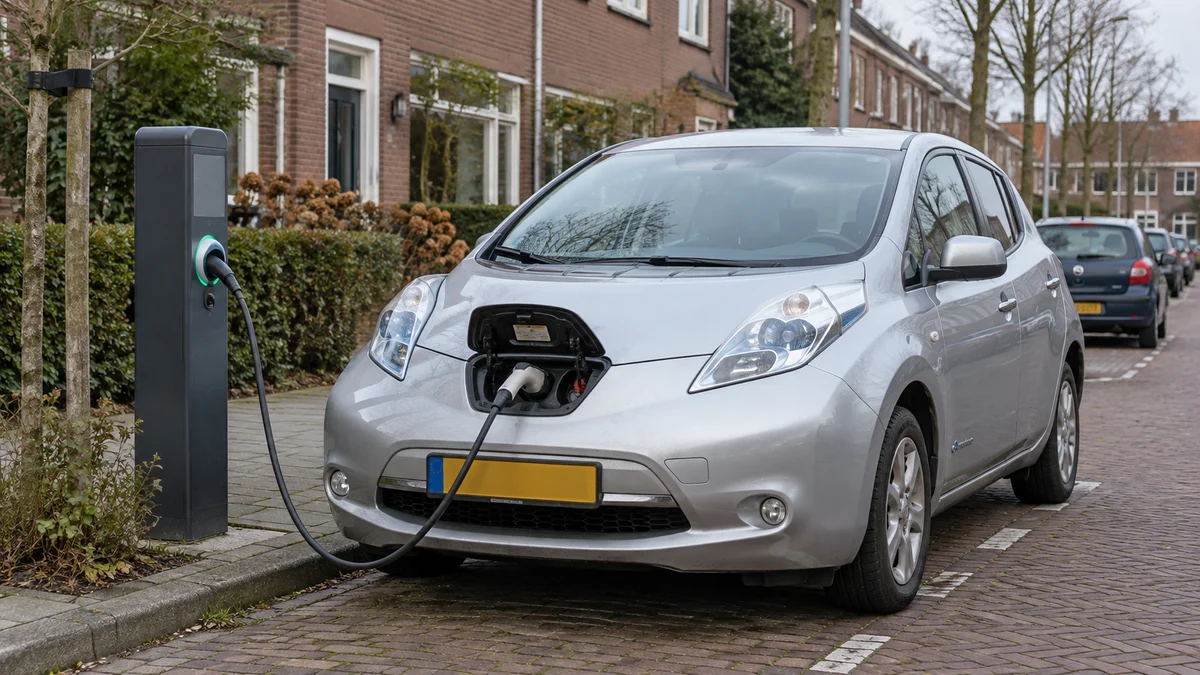
- the charging cable for a hybrid or an electric car
- the original radio or navigation unit if you changed it
Wear that a buyer notices
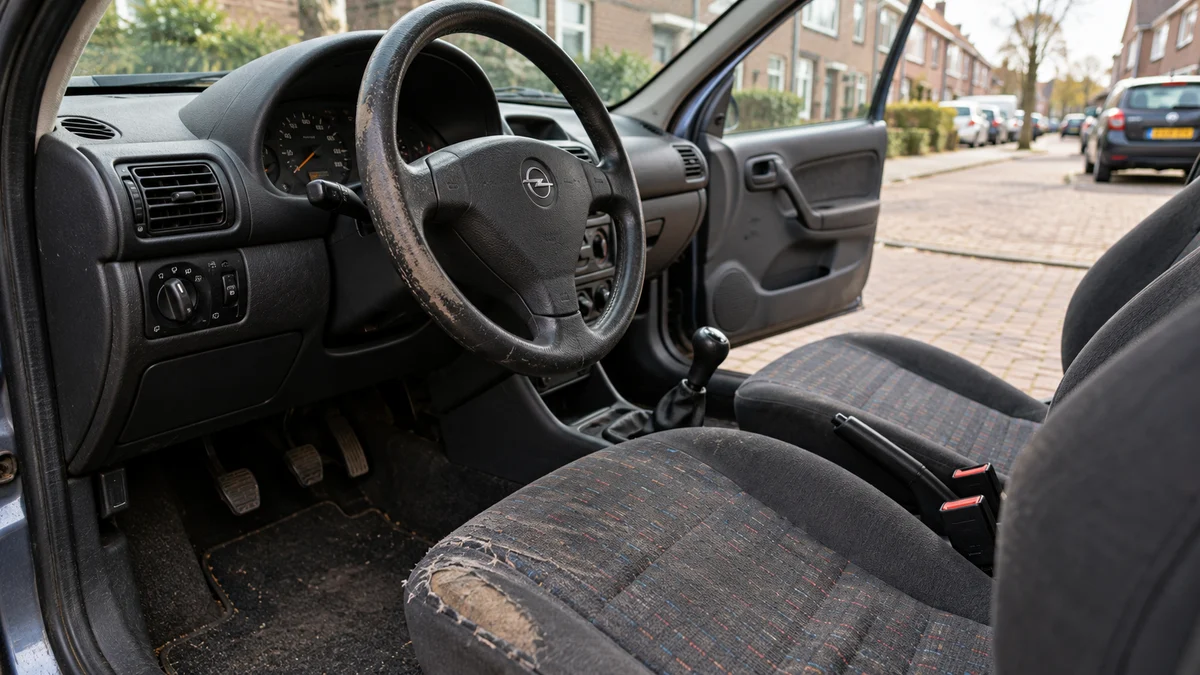
Tyres with little tread, worn brake discs, a cracked windscreen and stone chips on the bonnet are small items, but a buyer adds them up. A pre-sale clean costs little and helps. Our post on how to prepare your car for sale explains where it is worth spending money and where it is not.
Frequently asked questions
Does a high mileage always mean a low offer?
It lowers the offer, but a consistent history helps. A reading the RDW judges as logical, with service records to match, is easier for a buyer to accept than a lower reading nobody can verify.
Can I fix the odometer reading myself if it is wrong?
You can change the last recorded reading yourself as owner or holder. For earlier readings you submit a request with evidence, according to the RDW. Never change a reading to make it look lower.
Should I repair small damage before selling?
It depends on the repair and on how the damage looks to a buyer. A cheap, tidy repair can help. An expensive repair rarely returns its cost, and our post on selling a car with damage goes into this.
Does a missing service history stop a sale?
No. It lowers the offer, because the buyer cannot see how the car was maintained. Gathering invoices from garages is worth the effort.
Does a smoker’s car sell for less?
Smell affects the buyer’s first impression and the interior is harder to clean. Tell the buyer honestly and clean the car well.
To see what a buyer service would offer for your car as it stands, use our sell form. Asking carries no obligation.