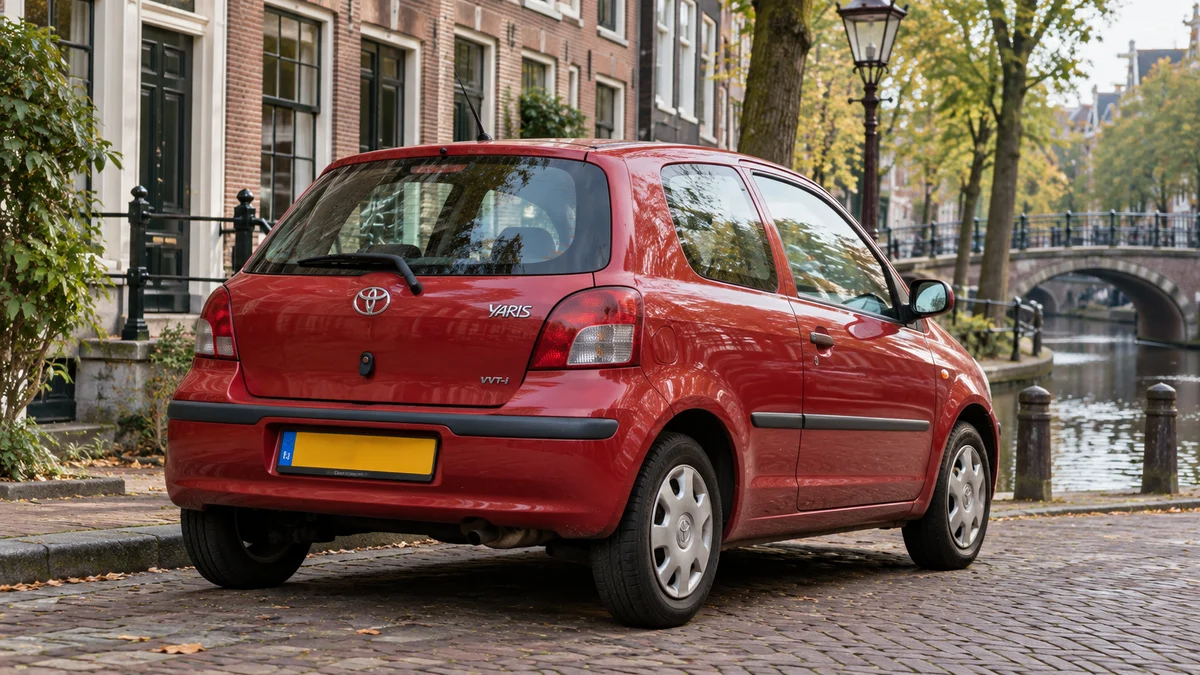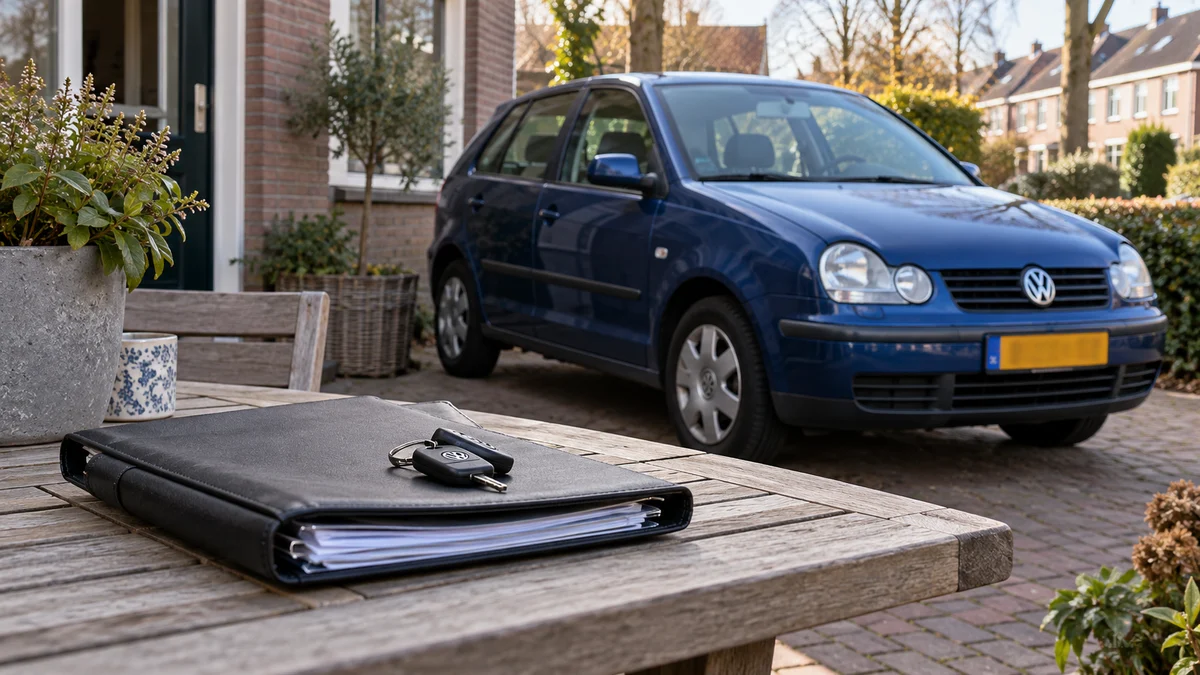
Many people who move to the Netherlands bring their own car, register it with the RDW, the Dutch vehicle authority, and drive it on Dutch plates. Later, when they want to sell, they wonder whether the import history changes anything. The short answer is that a car with a Dutch registration card is sold like any other Dutch car. What is different is the paperwork you should have kept from the import. The documents you need guide lists the standard papers. This article covers what is specific to a car you imported yourself.
Once registered, it is a Dutch car
When you import a vehicle from another EU or EFTA country, the RDW identifies it, checks the documents and records it in the Dutch register. Then you receive a new Dutch registration card, and a letter with the registration code (tenaamstellingscode) follows. The steps are on the RDW page about importing a vehicle from an EU or EFTA country.
From that point the car has a Dutch number plate (kenteken), a Dutch card and a Dutch code. The buyer registers it in their name exactly as for any other car, and the seller needs the same two things: a valid registration card and the complete code. Our RDW transfer guide covers the process.
The RDW keeps the foreign registration certificate when you import. You therefore have no foreign registration papers to hand over. Anything you have kept from the original country, such as service books, is useful to show, but it does not replace the Dutch card.
What to check before you sell
- The card and the code. Use the free RDW check, which needs the number plate and the document number. If something is missing, see our articles on a lost registration card and a lost registration code.
- The APK. The RDW does not check full APK compliance during import, and says to get an APK at a garage right after you receive the registration document if the car needs one and has none. Look up the expiry date in the Kentekencheck and hand the latest APK report to the buyer. If the date has passed, read our article on an expired APK.
- The insurance. WA insurance is required while the car is registered in your name. Do not cancel it before the transfer.
- Import papers. Keep a copy of the documents from the import, including the BPM declaration to the Belastingdienst, the Dutch tax authority, if BPM applied to your car.
What about BPM
BPM is the tax on passenger cars that is declared when a vehicle is registered in the Netherlands. For an imported car, you declare it to the Belastingdienst after the RDW has done its part, and the RDW page explains that the CO2 value on the Certificate of Conformity decides the amount. For the seller, the point is that BPM belongs to the import and was declared when you registered the car. We do not give amounts here. Questions about your own declaration go to the Belastingdienst.
Documents a buyer may ask for
A buyer who knows the car came from abroad may ask for:
- the invoice or contract from your original purchase;
- the service history, wherever it was recorded;
- the Certificate of Conformity, if you have it;
- the latest APK report.
You do not have to give a buyer anything that you do not have. You do have to answer questions honestly, so say where the car came from, when it was registered in the Netherlands and what you know about its history. Describe the mileage as it is on the clock and share any paperwork you have for earlier years.
Cars with right-hand drive or other changes
A car from a country with left-hand traffic needs mirrors and lighting suited to right-hand traffic at the import inspection, according to the RDW. If you adjusted the car for that reason, keep the receipts, since a buyer may want to see them. Mention it in the advert.
If the car is still on foreign plates
That is a different case. A car that was never registered in the Netherlands cannot be transferred by a Dutch buyer in the usual way. We cover it in our article on selling a foreign-registered car.
Selling with our help
If you want a buyer who handles the transfer details with you, use the sell form and tell us the car was imported. Asking is free and carries no obligation, and the collection and payment are agreed with you.
Frequently asked questions
Is it harder to sell a car I imported?
Once the car has a Dutch registration card and code, the transfer is the same as for any other car. Keep your import papers and answer a buyer’s questions about the history honestly.
Is BPM part of the sale?
BPM is declared when a vehicle is first registered in the Netherlands, so it belongs to the import. Ask the Belastingdienst if you have questions about your own declaration.
Do I give the buyer my foreign registration documents?
The RDW keeps the original foreign registration certificate during the import. The buyer needs the Dutch card and code only.
Do I need a new APK before I sell?
No rule forces you to test before selling, but the RDW says a car without a valid APK may not be driven on public roads. Look up the expiry date in the Kentekencheck and tell the buyer.
What if I lost the papers from the import?
The Dutch card and code are what a buyer needs. If those are missing, request replacements from the RDW. For lost import documents, contact the RDW or the Belastingdienst.